House Clearance in Stevenage

House clearance in Stevenage should be straightforward, tidy and well organised, whether you are preparing a property for sale, dealing with a probate estate, clearing a rental between tenancies or simply removing accumulated items that no longer have a place in the home. We provide a practical clearance service focused on separating reusable items, removing unwanted contents and leaving rooms ready for their next stage. The work can cover a single room, a loft, a garage or a full property, depending on what needs to be cleared.
Our approach is built around clear decisions and careful handling. Different homes contain different mixes of furniture, household goods, stored belongings and bulky items, so the right clearance plan depends on access, volume and the kinds of items involved. We work through those details in a sensible order and keep the process easy to understand. If you need a wider property tidy-up as part of the same job, we can usually organise the clearance into one coherent visit rather than several disconnected tasks.
A good starting point is to decide what should remain, what should be removed and whether any items need particular care because they are fragile, bulky or awkward to move. You can prepare a simple list of rooms, contents and priority items before asking for a quotation. That helps keep the discussion focused and makes it easier to compare different options. If you are ready to begin, the next step is to request a quotation and outline the property type, access and overall amount of material involved.
Full and Partial House Clearance
Some customers need a full clear-out of an entire property, while others only want selected rooms emptied. Full house clearance is often the better choice when a home must be handed over, sold or prepared after a long period of storage. Partial clearance is useful when only specific areas have become cluttered or when the family wants to retain key furniture and personal items. In both cases, the aim is the same: remove the agreed contents efficiently and leave a cleaner, more usable space.
The scope of a clearance can be shaped around the property layout. Bedrooms, reception rooms, dining rooms, storage cupboards, loft spaces and basements all present different practical considerations. Items may need to be taken down stairs, moved through narrow hallways or handled carefully in shared access areas. We plan each clearance so that the work matches the setting, rather than forcing every property into the same pattern. That makes it easier to manage larger items and reduce unnecessary disruption.
For many households, the value of a well-planned clearance is that it combines sorting with removal. Useful pieces can be separated from obvious waste, and the job can progress room by room in an orderly way. Where possible, we aim to make sensible decisions about the contents rather than treating everything as identical. If you want a broader overview of options, the home clearance service gives a useful starting point for domestic properties of different sizes.
Furnished Rooms, Storage Spaces and Contents Handling
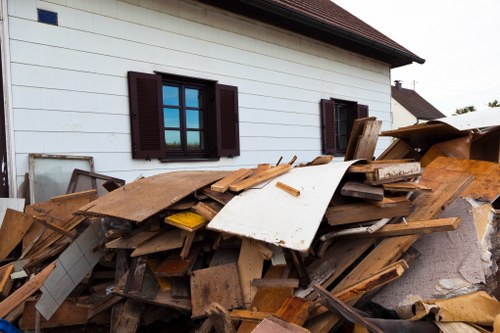
Many clearance jobs involve more than straightforward furniture removal. Homes often contain mixed contents, including boxes, small household items, textiles, ornaments, paperwork, old appliances and items that have been stored for years. Clearances of this kind need a methodical approach because the useful parts of the job sit alongside items that are simply in the way. We work through the contents carefully so the agreed items are removed without creating confusion about what is staying behind.
Storage spaces deserve particular care because they tend to hold a wide variety of objects gathered over time. Loft rooms, cupboards, under-stair areas and spare rooms can become places where long-term storage builds up unnoticed. Clearing them properly is rarely just a matter of carrying bags outside; it usually requires checking what is there, separating breakable items and moving things safely through the property. Where a job includes more than one storage area, a clear sequence makes the work much easier to manage.
If your home contains several kinds of household contents, it can help to think in categories before the clearance begins. Typical categories might include furniture, loose household items, boxed belongings, clothing, small appliances and general waste. That approach gives the quote request more structure and makes it easier to describe the scale of the work. The loft clearance page is useful where the main challenge is a stored space rather than the living areas themselves.
Furniture Removal and Disposals
Large furniture is often the most awkward part of a house clearance because it takes planning, space and care to remove safely. Sofas, wardrobes, beds, tables, cabinets and shelving may all need to be shifted through tight doorways or carried down stairs without scraping walls or flooring. We handle furniture as part of the clearance service so you do not need to arrange a separate removal unless the job requires a very specific split of tasks.
Some items are still usable, while others are worn, damaged or simply no longer needed. A practical clearance service needs to deal with both. Not every item should be treated in the same way, and a sensible approach helps avoid unnecessary lifting or wasted effort. When furniture is part of a larger clear-out, it is often most efficient to remove it at the same time as smaller contents so that the property can be opened up in one organised sequence.
Where furniture removal is the main task, the dedicated furniture clearance and furniture disposal pages explain related options for items that need to be taken away as a standalone job or within a larger domestic project. Those pages are useful when the property does not need a full clearance but still has bulky pieces that must be removed carefully and with minimal fuss.
Clearance for Garages, Lofts and Outdoor Spaces

Garages, lofts and gardens each create their own clearance challenges. Garages often become mixed storage areas for tools, boxes, bikes, old household goods and broken items that have built up over years. Loft spaces can involve low headroom, insulation, awkward steps and limited access, which means carrying items out needs patience and proper sequencing. Outdoor spaces may include worn furniture, plant material, garden debris or general accumulated waste that has to be gathered and removed.
A useful clearance plan starts by identifying what kind of space is being cleared and how it is accessed. A garage that opens directly onto a driveway is very different from one reached through the house, and a loft packed with loose stored contents is different again from one containing a few larger items. We shape the work around the space itself so that the removal method suits the layout. That keeps the job practical and helps avoid avoidable disturbance.
If you only need one part of the property cleared, it is usually better to match the service to that area instead of booking a broader job than necessary. For outbuildings and external storage, the garage clearance page offers a useful service focus, while the garden clearance page is relevant where the main issue is outdoor material rather than indoor household contents. Choosing the correct scope makes quotation and scheduling more straightforward.
Working Through Probate, Letting Changes and Property Handovers
House clearance is often needed at points of transition rather than during ordinary day-to-day living. A property may need to be cleared after a tenancy ends, before refurbishment begins, or as part of dealing with an estate. These situations usually benefit from a calm, methodical approach because the contents can be varied and the property may need to be ready for someone else to inspect, clean or take over. A well-managed clearance helps create that handover point without unnecessary delay.
Different handovers require different levels of sorting. In some cases the key need is a complete removal of contents from rooms, cupboards and storage spaces. In others, the priority is only to remove selected categories and leave specific possessions in place. Our service is designed to work around the property’s actual status rather than forcing every job into a fixed template. That flexibility is useful when the same home contains furniture, paperwork, personal items and general household goods all at once.
Before asking for a quotation, it is helpful to note whether the property is occupied, empty or partially furnished, and whether any items need special attention because they are fragile, heavy or difficult to move. A few basic details give a clearer picture of the job and help make the discussion more useful. If your needs are mainly domestic and room-based, the broader house clearance page is a sensible route into the service.
About Stevenage
Stevenage is a town in Hertfordshire that grew from a historic settlement into one of the best-known post-war new towns in England. Its older core is centred around the High Street and the parish church of St Nicholas, while the planned New Town areas introduced wide roads, neighbourhood centres and a distinct pattern of residential districts. The town sits north of London and has long been shaped by transport links, local industry and the wider commuter belt, yet it retains a separate identity through its civic spaces, leisure facilities and established communities. The town’s design can be read in the contrast between its historic nucleus and the later planned estates, each with a different character and scale. Stevenage also has several recognisable open spaces and landmarks that help define everyday life there. Fairlands Valley Park is one of the best-known green spaces, with lakes, paths and recreational facilities that give the town an important outdoor focus. The town centre and its surrounding shopping areas have been through repeated change over time, reflecting wider shifts in retail and urban planning. Cultural life is supported by theatres, sports venues, local clubs and community facilities, while the railway station reinforces Stevenage’s role as a well-connected place for travel across the region. The result is a town that combines planned urban structure, accessible green space and a strong sense of local continuity.
How We Approach a House Clearance
House clearance works best when the practical steps are kept clear from the outset. First, the overall scope needs to be understood: which rooms are included, what kinds of contents are present and whether access is straightforward or limited. Second, the important items need to be identified so that anything staying on site is not mixed up with the agreed removals. Third, the work itself should be organised so larger items, lighter contents and awkward pieces are handled in a sensible order rather than all at once. That approach helps keep the job controlled.
It is also useful to decide whether the clearance needs to be done as a one-off visit or in stages. Some properties are simple enough for a single arranged job, while others benefit from a phased approach where particular rooms are dealt with first. If you are collecting information for a quotation, a short room-by-room note is often enough to show the scale of the work. A few photographs can be useful too, but a clear written outline matters just as much. That is especially true where there are lofts, garages or a mixture of furniture and loose items.
The pricing and quotes page is helpful if you want to understand how the service is usually discussed before the job is booked. Clear details about the property, access and contents make it easier to build a quotation that matches the work properly. If your enquiry also involves other domestic items or mixed waste, the overall plan can usually be adjusted so the clearance remains practical from start to finish.
What Can Be Included in the Job

A house clearance can include a wide range of domestic contents, provided the agreed scope is clear at the outset. Typical items may include sofas, beds, tables, chairs, wardrobes, cupboards, rugs, lamps, boxes, small appliances and assorted household goods. In some homes there are also bags of clothing, books, decorations, storage items and mixed contents from spare rooms or under-stairs areas. The task is not simply to carry things away, but to organise the removal so the property is left in the condition expected.
Where the job includes a mix of room contents and general waste, it is important to treat the work as a single clearance rather than multiple disconnected tasks. That saves confusion and helps the property move through one clear process. We can also discuss whether part of the work is better suited to a specific service page, such as office, flat or waste removal, if the property type makes that more appropriate. The key point is matching the service to the actual contents and access conditions.
For properties with a lighter domestic scope, the flat clearance page may be useful when access is via stairs, lifts or shared entrances, while the waste removal page is relevant if the main requirement is simply to take away mixed unwanted material. If you are ready to move ahead, request a quotation and tell us what needs removing, how much there is and which rooms are involved.
Clearance for Different Property Types
Not every house clearance is a detached family home. Some jobs involve smaller terraced properties, maisonettes, rented accommodation or homes with shared entrances and tighter access. Each setting changes the practical details of the work, even when the contents are similar. The clearance needs to suit the layout, the route in and out, and the way the rooms connect. That is why it helps to match the service to the type of property rather than relying on a generic description.
Where a property has been lived in for a long time, contents are often spread across several rooms and storage spaces. By contrast, a smaller home may contain fewer items but present access challenges that make careful removal important. In either case, the best result comes from identifying the likely obstacles early and planning around them. If the job is mainly about a smaller residence or an upper-floor home, the office clearance and home clearance pages can help you compare how different settings are handled.
A clear and accurate description is usually more useful than a long explanation. List the rooms to be cleared, mention any bulky items and say whether there are stairs, shared hallways or parking restrictions. That is often enough to shape a sensible quotation request. For many customers, the next step is straightforward: decide what should go, confirm what should stay and then get in touch to arrange the details in a way that suits the property and the timetable.