Complaints Procedure for House Clearance Stevenage
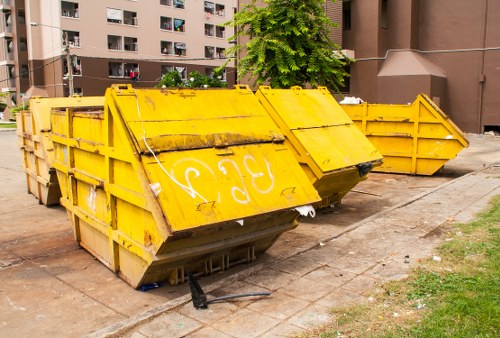 This Complaints Procedure sets out how customers can raise concerns about House Clearance Stevenage and related rubbish removal services in the service area. It is intended for clients, residents and property managers who use house clearance, waste removal and clearance teams and wish to make a formal complaint about the standard of work, conduct or service delivery. The purpose is to ensure that every complaint is handled fairly, promptly and transparently while protecting the rights of both the complainant and the clearance team.
The scope of this procedure covers all aspects of house clearing activities including collection, handling of items, disposal methods, recycling practices, on-site behaviour and any associated administrative matters. Complaints about lost items, damage to property or perceived breaches of duty will be dealt with under this procedure. This is a procedural statement rather than a contractual amendment and does not replace statutory rights or legal obligations where those apply.
 We encourage early notification of issues so they can be investigated and resolved quickly. Complaints can be submitted in writing or electronically using your preferred method of communication; please provide clear details of the incident, dates, times, locations and, where possible, photographic evidence. When describing the issue, include the service booked (for example, full house clearance, single-room clearance or bulky waste removal), names of staff involved if known, and any relevant reference numbers issued at booking to help the review team locate records efficiently.
How Complaints Are Received and Acknowledged
Upon receipt, complaints are logged into the complaints register and assigned a unique reference to track progress. Acknowledgement will normally be issued within a set period so complainants know their concern is being processed. Timeframes are designed to balance a thorough investigation with a timely response, and they reflect the operational realities of rubbish company schedules and resource allocation. The acknowledgement will outline the expected timescale for a substantive reply.
 Investigation: The team will carry out an investigation which may include reviewing job records, interviewing staff involved, examining photographic or video evidence and, where appropriate, arranging an on-site inspection. Investigations aim to be impartial and thorough. Investigative steps typically include:
- Confirmation of the complaint scope and assignment to an investigator.
- Collection of relevant job sheets, waste transfer records, and recycling documentation.
- Interviews with personnel and review of any available imagery or CCTV from the site.
Decision, Remedies and Timescales
Decisions following an investigation may include a finding that the complaint is upheld in full, upheld in part, or not upheld. Where the complaint is upheld, possible remedies include corrective work, partial refunds, credits against future service, or other appropriate action tailored to the nature of the issue. All remedies will be proportionate to the impact and supported by documented rationale. Timescales for completion of a full investigation will vary with complexity but the aim is to provide a substantive response within a clearly stated window from acknowledgement.
 Confidentiality and record-keeping are central to maintaining trust in the complaints process. The company will retain records of complaints, investigations, and outcomes for a defined retention period in line with operational policy and data protection obligations. Information will be handled sensitively and only shared with those who need to know to resolve the matter. Personal data will not be published or disclosed to third parties except as required by law.
 If a complainant remains dissatisfied after the internal process, there are options for further review. This may include escalation to a senior manager or referral to an independent adjudicator where appropriate and available. The procedure sets out clear escalation pathways and timelines to ensure unresolved matters receive additional scrutiny. The complainant will be informed of the next steps and the scope of further review, including any limitations on the remedies that can be ordered at that stage.
Roles and responsibilities within the complaints process are defined to ensure accountability. Investigators are expected to be impartial and to document findings. Managers are responsible for implementing remedies and for learning from complaints to improve future service quality. Regular monitoring of complaint trends informs training, operational changes and policy updates that strengthen service delivery for house clearers serving the region.
Where a complaint raises potential safety or regulatory issues—such as improper disposal of hazardous goods or breaches of waste licensing procedures—the matter will be escalated to the relevant internal compliance function for immediate action. The complaints procedure operates alongside compliance and health & safety frameworks, which may necessitate separate reporting or corrective measures that go beyond the standard complaints resolution.
To help achieve continuous improvement, the outcomes of complaints are reviewed periodically. Themes and recurring issues are identified and used to update procedures, training and customer guidance. The aim is to reduce repeat complaints and to ensure that rubbish removal and house clearance services in the area meet agreed standards. This procedural statement does not constitute legal advice; it is a service-level document intended to explain how complaints are handled within the house clearance and waste removal context.
